
Vietnam Trekking Tours
Trekking tours in Vietnam take you through rice terraces, jungle trails, and mountain paths. These tours combine scenic hikes with cultural encounters—like visiting ethnic minority villages, staying in homestays, or crossing hanging bridges deep in the countryside.
The Best Trekking Tours & Local Experiences
About Trekking tours in Vietnam
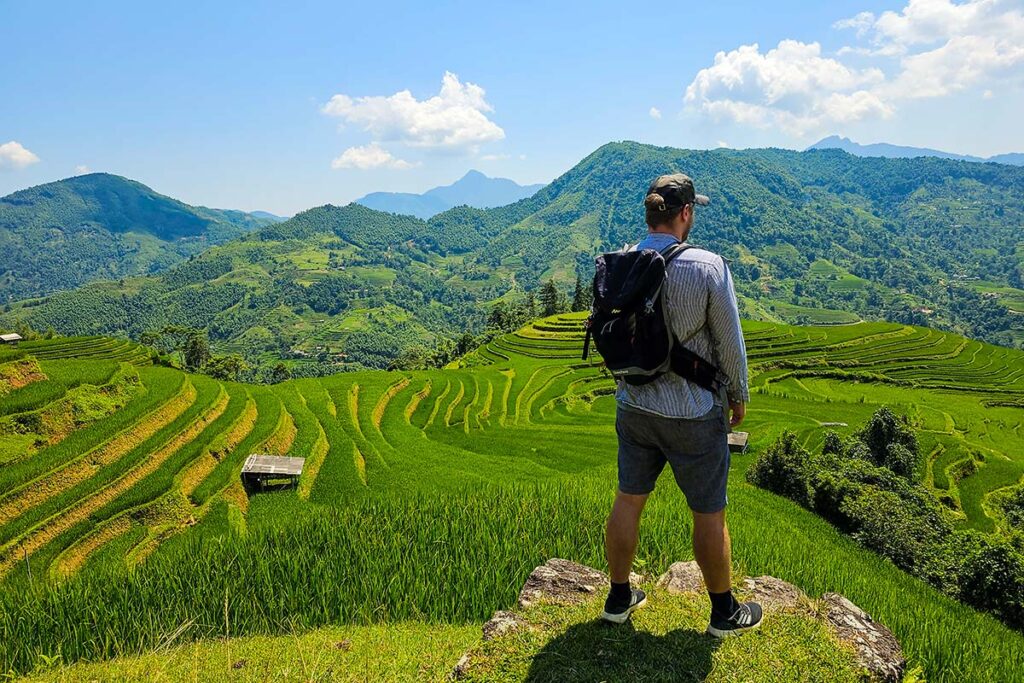
Vietnam’s diverse landscapes make trekking tours a memorable experience—from Sapa’s stepped rice fields to Ha Giang’s rocky mountains. What makes it special is how close you get to daily life in remote areas. Along the way, you’ll often meet local families, eat home-cooked meals, and sleep in traditional wooden houses.
5 Best Destinations for Trekking Tours in Vietnam
1. Sapa
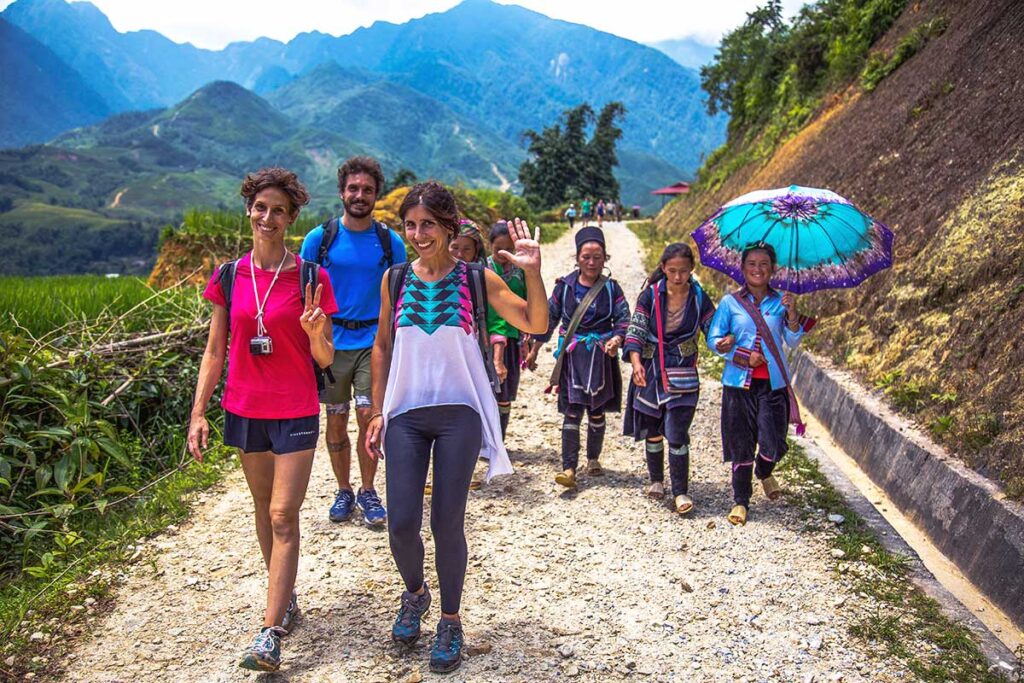
Sapa is Vietnam’s top trekking destination, with well-marked trails, experienced local guides, and multi-day routes through rice terraces and ethnic minority villages. Many tours include overnight stays in homestays for a full cultural experience. Check all our Sapa trekking tours.
2. Phong Nha
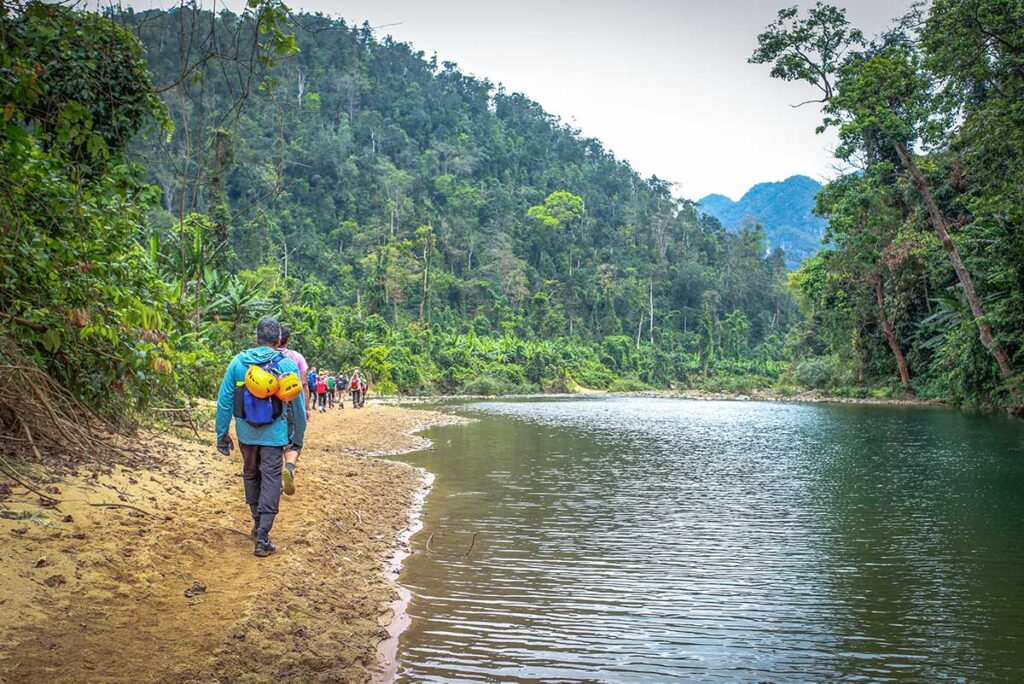
Phong Nha offers true jungle trekking, far from paved paths. Join a guided tour through dense forest, swim in hidden streams, and camp inside remote caves—ideal for adventurous travelers seeking raw nature and wilderness.
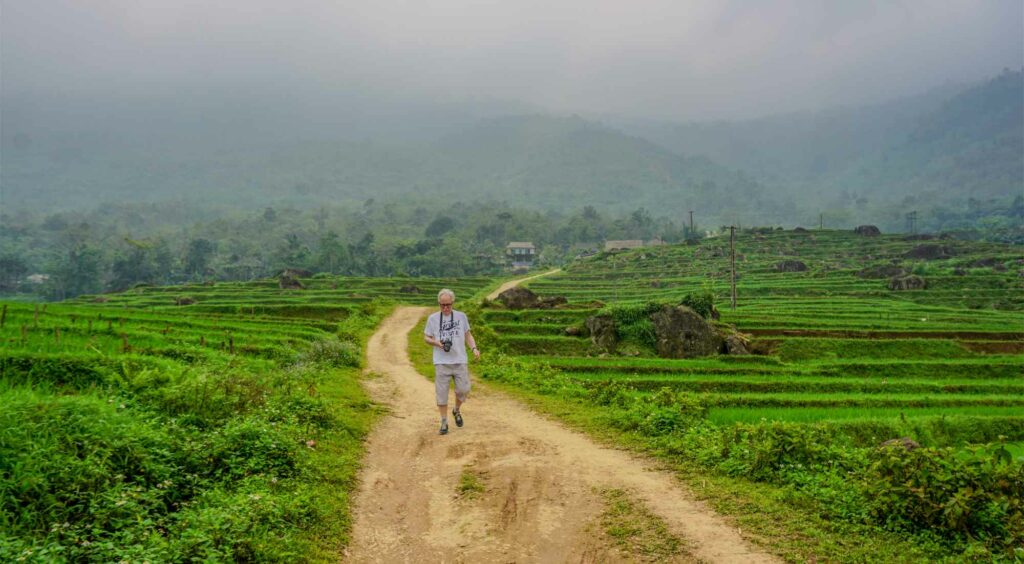
3. Pu Luong Nature Reserve
Less visited than Sapa, Pu Luong features quiet trails, limestone valleys, and scenic rice terraces. It’s perfect for relaxed 1–2 day treks with chances to stay in peaceful homestays and enjoy the slower pace of rural life. Check all our Pu Luong trekking tours.
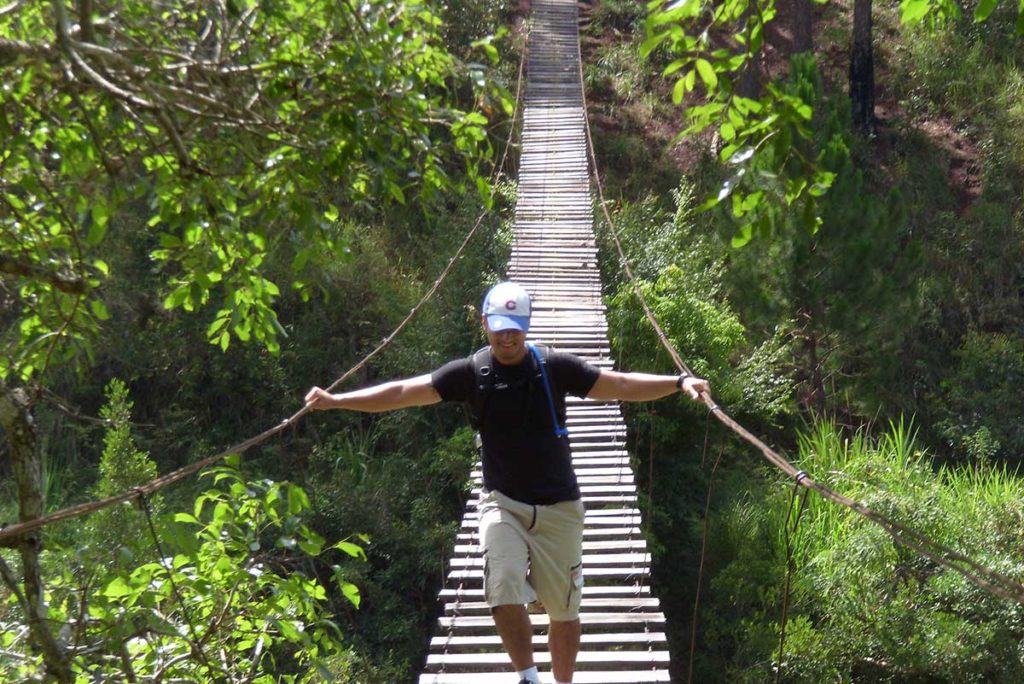
4. Dalat
Surrounded by hills, pine forests, and waterfalls, Da Lat is great for shorter day treks. Explore scenic routes or venture into nearby national parks like Bidoup or Cat Tien for more nature-focused adventures.
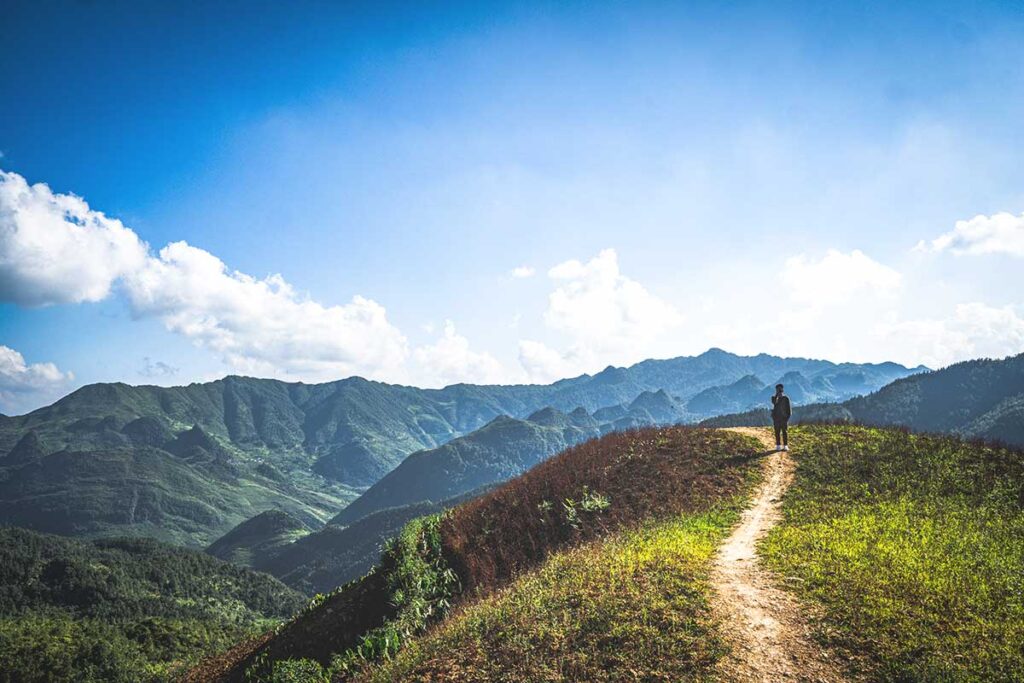
5. Ha Giang
Ha Giang’s rugged terrain is better known for motorbike routes, but off-the-loop trekking reveals dramatic peaks and remote minority villages. Areas like Hoang Su Phi offer some of Vietnam’s most stunning and untouched rice terraces.
Frequently Asked Questions About Vietnam Trekking Tours
What is the best time to do trekking tours in Vietnam?
Spring (March–May) and autumn (September–November) are ideal. The weather is more stable, with less rain and more comfortable temperatures for walking long distances.
Do I need to be experienced to join a trekking tour?
No experience is needed for most treks. If you have average fitness and can walk for a few hours, you’ll be fine. Some longer or remote treks may require better stamina, but guides will always match the route to your ability.
Do I need a guide for trekking tours?
Yes—especially in Vietnam, where trails are often unmarked. A guide helps you navigate safely, share local insights, and sometimes translate when staying in ethnic minority villages.
What kind of trekking tours are available in Vietnam?
You’ll find everything from half-day countryside walks to multi-day jungle hikes or mountain treks with camping or homestays. Regions like Sapa, Phong Nha, and Ha Giang each offer different scenery and difficulty levels.
Are trekking tours in Vietnam safe?
Trekking with a local guide is generally very safe. The main risks come from slippery paths in the rainy season or steep terrain on more remote routes—so it’s best to wear proper shoes and follow guide instructions.